Smart homes offer incredible convenience, allowing you to control lighting, security cameras, and thermostats from a single smartphone. However, every connected device acts as a potential entry point for cybercriminals. Specifically, hackers constantly scan residential networks for unsecured smart TVs, baby monitors, and Wi-Fi routers to steal private data or execute ransomware attacks. Consequently, relying solely on your default internet service provider’s router is no longer sufficient to protect your digital privacy. Furthermore, upgrading your hardware defenses forces hackers to abandon your network and search for easier, unprotected targets. Therefore, investing in specialized physical network security prevents devastating digital breaches before they even start. Ultimately, hardening your home network requires the right specialized tools. Here are 7 smart home cybersecurity gadgets that hackers hate.
1. Hardware Firewalls (Dedicated Network Security Appliances)
First, standard home routers provide extremely basic, easily bypassed software firewalls. However, a dedicated hardware firewall—like the Firewalla or Bitdefender Box—acts as an aggressive physical bouncer for your entire network. Specifically, these devices sit directly between your modem and router to inspect every single packet of incoming and outgoing internet traffic. Consequently, they automatically block known malicious IP addresses, intrusive trackers, and active hacking attempts instantly. Furthermore, these gadgets use deep packet inspection to identify when a smart device starts behaving suspiciously, such as a smart bulb trying to send massive amounts of data to an overseas server. Therefore, installing a dedicated hardware firewall provides enterprise-grade intrusion prevention for your entire home.
2. Secure Mesh Wi-Fi Routers with Built-In IoT Protection
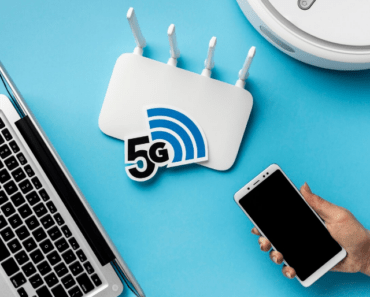
Next, outdated, single-point routers provided by Internet Service Providers are notoriously vulnerable to brute-force attacks. Specifically, upgrading to a modern secure mesh Wi-Fi system blankets your home in strong, encrypted signals. However, their real power lies in their specialized Internet of Things (IoT) protection protocols. Consequently, these smart routers can automatically isolate vulnerable smart home gadgets onto a completely separate “guest” network. Furthermore, if a hacker manages to compromise your cheap smart plug, they remain trapped on that isolated network and cannot access your private laptops, smartphones, or banking information. Therefore, replacing your default ISP router immediately eliminates your network’s biggest structural weakness.
3. Physical Webcam and Microphone Privacy Covers
First, malware and remote access trojans (RATs) frequently target smart displays, laptops, and indoor security cameras to spy on unsuspecting families. Specifically, hackers can secretly activate your built-in lenses and microphones without the indicator light ever turning on. However, physical privacy covers are incredibly cheap, low-tech gadgets that completely neutralize this terrifying digital threat. Consequently, a sliding plastic webcam cover blocks the physical lens entirely, rendering any successful software hack completely useless. Furthermore, specialized microphone blockers plug directly into audio jacks to trick the device into muting internal recording hardware. Therefore, using analog, physical barriers remains the absolute most effective way to defeat sophisticated digital surveillance.
4. Encrypted Local Storage Hubs for Security Cameras
Next, many popular smart security cameras upload your private, indoor video feeds directly to massive cloud servers. Specifically, this exposes your intimate family footage to potential corporate data breaches or rogue company employees. However, utilizing a localized, encrypted storage hub keeps your data strictly inside your own house. Consequently, your camera footage is encrypted locally on a physical hard drive before it ever touches the public internet. Furthermore, hackers cannot access your stored videos remotely simply by guessing a weak cloud account password in a data leak. Therefore, prioritizing local, encrypted storage devices over pure cloud subscriptions protects your home’s most sensitive visual data.
5. Hardware Security Keys (YubiKey or Google Titan)
First, relying solely on SMS text messages for two-factor authentication (2FA) is a massive security flaw. Specifically, hackers routinely use SIM-swapping techniques to steal phone numbers and intercept text-based security codes to access smart home accounts. However, a physical hardware security key completely eliminates this vulnerability. Consequently, devices like a YubiKey require you to physically tap the USB or NFC gadget to authenticate a login attempt to your smart home dashboard. Furthermore, even if a hacker steals your master password, they cannot unlock your smart doors without possessing the physical key in their hand. Therefore, physical security keys provide the ultimate, unhackable barrier for your most critical digital accounts.
6. Smart Plugs with Physical Kill Switches
Many connected appliances and smart speakers constantly “listen” for wake words, raising massive privacy concerns. Specifically, users often want to completely disconnect devices like smart assistants or gaming consoles during private family conversations or extended vacations. However, unplugging devices manually every day is highly inconvenient and easily forgotten. Consequently, utilizing advanced smart plugs with physical kill switches or dedicated offline timers allows you to sever the electrical connection instantly. Furthermore, when the device has zero power, it is physically impossible for a hacker to wake it remotely or extract ambient audio. Therefore, managing your power supply directly guarantees absolute offline privacy whenever you demand it.
7. Network Uninterruptible Power Supplies (UPS)
Finally, physical home invasions and digital attacks frequently begin when criminals deliberately cut the power to your house from the outside. Specifically, a sudden blackout knocks your Wi-Fi router, smart locks, and security cameras offline instantly. However, plugging your modem and router into an Uninterruptible Power Supply (UPS) gadget prevents this catastrophic security failure completely. Consequently, a UPS acts as a massive backup battery that keeps your home network and security sensors running flawlessly during an electrical outage. Furthermore, this continuous uptime ensures your cameras capture the intruders and your smart alarms successfully transmit emergency signals. Ultimately, a UPS guarantees your digital defenses never sleep, even when the power grid fails.
Disclaimer: This article is for informational purposes only and does not constitute professional cybersecurity or IT advice. No device can provide 100% security against all digital threats. Always research product compatibility and maintain updated software to ensure maximum protection for your smart home network.